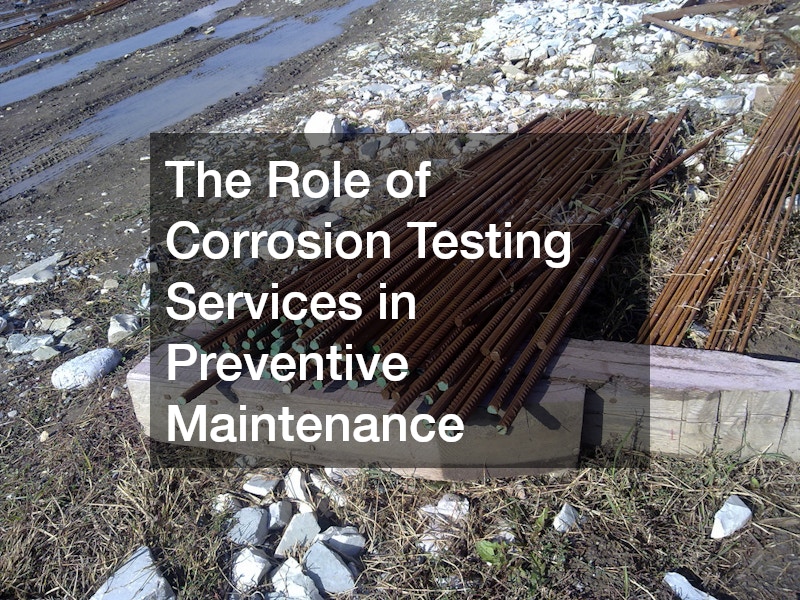
This article explores the significance of corrosion testing services in the realm of preventive maintenance, highlighting their benefits, processes, and necessity in various industries. By identifying potential weaknesses in metals and protective coatings before serious damage occurs, these services help companies avoid costly repairs, downtime, and safety hazards. Corrosion testing also supports regulatory compliance and extends the lifespan of equipment, making it a critical part of maintenance strategies across sectors such as manufacturing, oil and gas, construction, and transportation.
Understanding how corrosion testing works allows businesses to make informed decisions about protecting their assets and ensuring operational efficiency.
What is Corrosion Testing and Why is it Important?
Corrosion testing is a systematic process aimed at assessing the resistance of materials to corrosive environments. It plays a critical role in preventive maintenance strategies by revealing vulnerabilities before they lead to significant failures. Understanding how different materials react to environmental factors helps in formulating effective maintenance plans.
The importance of corrosion testing cannot be overstated. Equipment and structures that are prone to corrosion can suffer from compromised integrity, leading to hazards and financial losses. By investing in corrosion testing, industries can ensure that their assets remain safe, reliable, and operational for extended periods.
In addition to improving safety and reliability, corrosion testing aids in compliance with industry standards and regulations. Many sectors are required to adhere to strict safety protocols and testing procedures; conducting corrosion testing ensures that organizations meet these requirements, thereby avoiding legal repercussions and enhancing their reputation.
How Do Corrosion Testing Services Work?
The process of corrosion testing services typically begins with a thorough assessment of the materials and environment involved. This can include visual inspections, sampling, and analysis to determine the specific types of corrosion likely to occur. Based on initial findings, a detailed testing plan is developed to address potential concerns effectively.
Various methodologies are employed in corrosion testing, including electrochemical testing, salt spray testing, and immersion testing, among others. These techniques are designed to simulate real-world conditions and provide insights into how materials will perform over time. The selection of testing methodology depends on the material type, environmental conditions, and specific industry requirements.
Advanced technologies, such as non-destructive testing and automated monitoring systems, play a crucial role in corrosion testing. These innovations allow for continuous monitoring of materials and structures, offering real-time data that can inform maintenance strategies. By leveraging these cutting-edge technologies, organizations can enhance their preventive maintenance efforts and extend asset lifespans.
What Industries Benefit Most from Corrosion Testing Services?
Corrosion testing services are essential in various industries, including oil and gas, marine, construction, and manufacturing. Each of these sectors faces unique challenges related to corrosion, making comprehensive testing critical for the longevity, safety, and reliability of their operations. The oil and gas industry, for example, deals with highly corrosive environments that can severely impact pipeline integrity and overall system performance.
In the marine industry, vessels and structures are frequently exposed to saltwater, which accelerates corrosion. Regular corrosion testing ensures that ships and offshore platforms maintain their structural integrity, thus safeguarding both personnel and the environment. The benefits extend to cost savings by reducing the incidence of repairs and ensuring operational efficiency, while also minimizing environmental risks.
Construction and manufacturing industries also rely heavily on corrosion testing to protect their infrastructures, such as bridges, industrial plants, and critical machinery. Materials used in these industries must withstand harsh conditions, and corrosion testing identifies weaknesses early on. This proactive approach allows organizations to implement preventive measures to avoid catastrophic failures, improve safety, and extend the life of their structures.
How Can Corrosion Testing Services Reduce Maintenance Costs?
Implementing corrosion testing services can significantly lower maintenance costs by identifying potential issues before they escalate into major problems. Early detection allows for timely interventions, which are often less costly than extensive repairs or complete replacements. This proactive approach not only saves money but also minimizes downtime, ensuring that operations remain smooth.
Furthermore, corrosion testing enables more efficient resource allocation. By understanding where vulnerabilities lie, companies can prioritize their maintenance efforts and allocate budgets more effectively. This targeted approach leads to informed decision-making and ultimately results in optimized operations, further driving down overall maintenance costs.
In addition to direct savings on repairs, corrosion testing supports improved equipment reliability. Well-maintained assets tend to perform better and are less likely to experience unexpected failures. This reliability translates to enhanced productivity and profit margins, as businesses can avoid the costly interruptions associated with equipment breakdowns.
The article concludes by summarizing the importance of corrosion testing services in preventing costly repairs and ensuring the longevity of assets in various sectors. It is evident that corrosion testing isn’t merely a regulatory requirement; it’s a vital component of strategic maintenance planning. As industries continue to evolve, the role of corrosion testing will remain indispensable in safeguarding assets and maintaining operational excellence.