The precious metals industry has undergone a massive digital transformation over the past decade. Historically, bullion dealers, estate buyers, and coin shop owners relied almost entirely on physical storefront visibility, print advertising, local word-of-mouth, and walk-in foot traffic. Today, however, the customer journey for buying and selling precious metals begins almost exclusively behind a digital screen. Whether an investor is looking to allocate capital into physical gold bullion or a homeowner is searching to liquidate inherited estate jewelry, their first instinct is to turn to a search engine.
This fundamental shift in consumer behavior represents an extraordinary growth opportunity for precious metal businesses. Millions of high-intent search queries are executed every single month by individuals actively looking to buy, sell, or appraise gold, silver, and rare coins. However, the online space is intensely competitive. National online bullion retailers with multi-million-dollar marketing budgets battle local storefronts for top search engine rankings. Without a structured, strategic Search Engine Optimization (SEO) strategy, your business remains virtually invisible to this vast stream of prospective clients.
SEO is not simply about getting more traffic to your website; it is about capturing high-intent, high-margin opportunities at the exact moment a customer is ready to transact. By establishing top organic rankings, building transparent digital trust, and dominating local search results, you can convert online search volume into a predictable, highly profitable pipeline of physical store visits, mail-in shipments, and high-value sales. This comprehensive guide outlines the exact SEO strategies required to scale your business and dominate your regional precious metals market.
Mastering Local Search and Geo-Targeted Visibility
For physical storefronts, estate buyers, and regional coin dealers, local search engine optimization is the single most valuable customer acquisition channel available. When consumers decide to sell physical assets like gold scrap, bullion, or rare collectibles, safety, proximity, and trust are their primary concerns. Most sellers prefer meeting face-to-face in a secure, local retail location rather than shipping thousands of dollars in valuables to an anonymous online buyer.
Capturing this local market requires total dominance of Google’s “Local Pack”—the map interface that appears at the top of local search results. The foundation of local search dominance starts with your Google Business Profile (GBP). Ensure your business profile is fully claimed, verified, and continuously updated. Choose primary and secondary categories accurately, ensure your Name, Address, and Phone Number (NAP) are identical across all online business directories, and upload high-resolution, professional photos of your store interior, private appraisal rooms, and staff.
To maximize your local ranking power, build location-specific landing pages on your primary website for every city, county, or neighborhood you serve. These pages should incorporate local schema markup, embedded Google Maps, localized customer testimonials, and clear directions.
Optimizing your profile categories and page copy helps your store rank prominently whenever consumers search for reputable gold buyers in their immediate geographical area. Furthermore, publishing detailed content explaining your store’s security measures, walk-in appraisal procedures, and immediate payment options builds immediate confidence for prospective walk-in clients searching for nearby coin shops.
- Optimize Google Business Profiles: Claim, verify, and complete every detail on your GBP, including primary category selection and private appraisal room photos.
- Maintain NAP consistency: Audit online directories to ensure your business name, address, and phone number are 100% identical across the web.
Targeting High-Intent Valuation and Liquidation Keywords
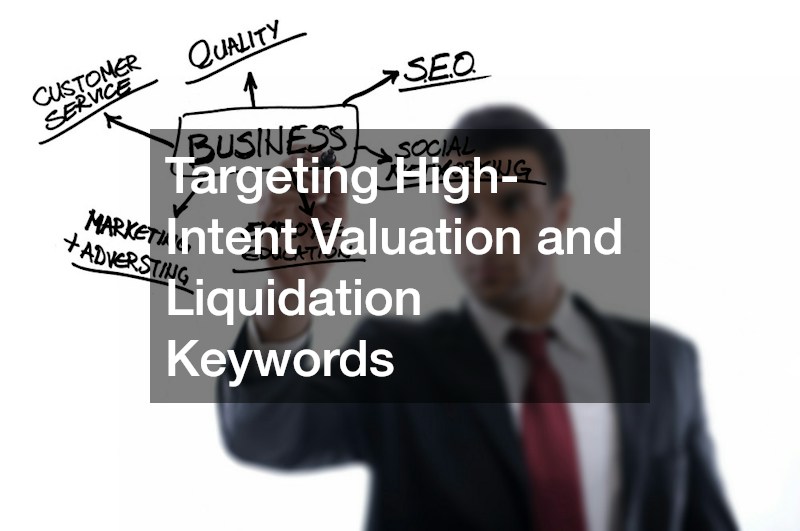
Not all search traffic is created equal. A user searching “history of the gold standard” is conducting passive academic research and is unlikely to make a transaction today. Conversely, a user searching “where to appraise gold jewelry near me” or “live scrap metal payout rates” is standing in their kitchen with a box of old jewelry, actively preparing to convert physical assets into liquid cash.
To drive immediate revenue, your SEO strategy must prioritize transactional, high-intent keywords. Build dedicated service pages specifically tailored around liquidation, valuation, and immediate purchasing capabilities. These landing pages must feature transparent, conversion-focused content that clearly explains how your appraisal process works, how melt values are calculated, and what payout methods you offer.
When structuring these high-converting pages, publish real-time spot price references and clear payout structures for customers looking to sell gold in any form—from 10k and 14k scrap jewelry to 24k investment bars.
Equally important is catering to estate executors and collectors who hold multi-metal inventories. Create specialized service pages educating clients on how to identify, test, and sell sterling silver flatware, tea sets, and hollowware, which are frequently inherited alongside gold jewelry but require different testing and valuation methods.
- Target transactional keyword phrases: Optimize core landing pages for terms containing “sell,” “appraise,” “payout,” “cash value,” and “buyers.”
- Display transparent pricing models: Explain clearly how market spot prices, karat purities, and pennyweight or gram weights factor into payouts.
Dominating High-Volume Immediate Payout Search Terms
A significant portion of the precious metal selling market is driven by consumers seeking immediate liquidity. Whether faced with unexpected medical bills, home repairs, or simple financial restructuring, these customers search using urgent, payout-focused search queries. However, because this market sector has historically attracted shady operators, modern search engines place extreme scrutiny on businesses targeting these queries under Google’s “Your Money or Your Life” (YMYL) content guidelines.
To rank for competitive liquidation terms, your website must balance high-converting transactional language with overwhelming trust and authority signals. Address consumer anxieties directly by publishing detailed guides explaining how professional testing works, including non-destructive XRF X-ray fluorescence spectrometry, electronic gold testing, and specific gravity tests. Showing prospective sellers that your process is scientific, transparent, and conducted right in front of them dramatically increases conversion rates.
Creating transparent content around payout percentages relative to spot price establishes your business as a reputable authority for searchers looking for trustworthy cash for gold outlets. Clearly outlining your state licensing, secondhand dealer permits, and scale calibration certificates demonstrates legitimacy to both human searchers and search engine algorithms.
Because managing high-intent YMYL keyword strategies requires deep technical expertise, many growing dealers choose to partner with an experienced specialized digital marketing agency or dedicated seo company. A skilled agency can conduct deep technical site audits, eliminate keyword cannibalization, clean up toxic backlink profiles, and execute safe, compliant link-building campaigns that build long-term domain authority.
- Publish non-destructive testing guides: Educate prospective sellers on how XRF analyzers and electronic testers verify purity without damaging jewelry.
- Display official licensing and credentials: Feature state dealer licenses, scale calibration certificates, and professional association badges prominently.
Expanding Inventory Coverage to Rare Metals and Numismatics
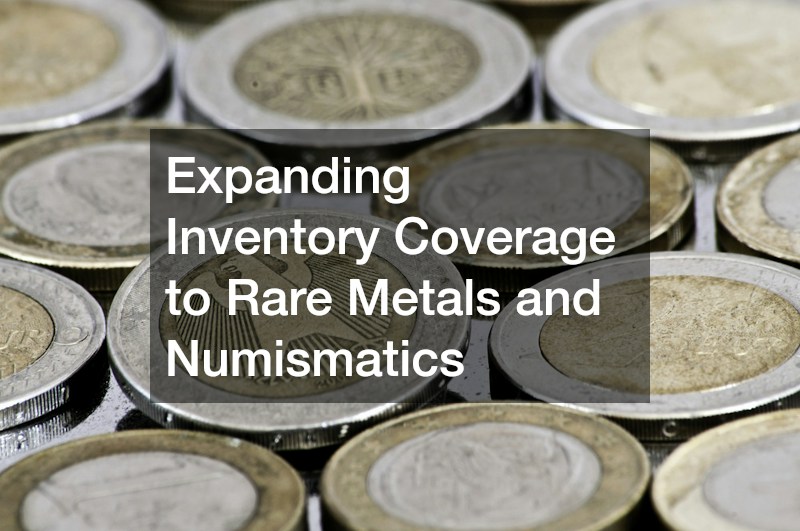
To scale an organic search footprint effectively, a precious metals dealer should look beyond basic scrap metal acquisition. Expanding your SEO strategy to capture the numismatic and rare coin market opens access to high-net-worth collectors, investors, and estate trustees who manage substantial portfolios.
Numismatic collectors and coin investors search using highly specific, long-tail technical queries. They search for specific mint marks, mintage years, coin grades, PCGS/NGC certification numbers, and historical variations. To capture this search volume, build out a comprehensive, structured catalog of landing pages covering classic gold coins, pre-1933 US gold coinage, sovereign mint products, and rare commemorative issues.
Publishing detailed grading guides, historical market breakdowns, and authentication tutorials helps estate executors and private collectors looking to sell coins determine the true market value of rare collections. Highlighting your expertise in identifying key-date coins prevents sellers from unknowingly selling rare numismatic items for basic melt value, instantly establishing your firm as an ethical market leader.
Furthermore, ensure your website communicates the full scope of your appraisal capabilities. Position your business as an authoritative, full-service neighborhood jeweler capable of evaluating fine estate diamond jewelry, luxury watches, and designer pieces alongside raw precious metal bullion. Implementing Product and Service schema markup across your inventory catalog helps Google display accurate pricing, availability, and grade details directly within search engine result pages.
- Create individual coin category pages: Build dedicated, search-optimized pages for major coin series like American Gold Eagles, Krugerrands, and Morgan Dollars.
- Publish detailed numismatic grading guides: Explain how third-party grading systems (PCGS/NGC) impact market premiums over raw spot value.
Building Authority through Cross-Niche Digital Partnerships
Search engine algorithms evaluate a website’s authority based largely on the quality and relevance of third-party websites linking back to it. In the financial and precious metals sector, acquiring high-quality backlinks requires a deliberate, white-hat outreach strategy. Earning links from trusted local and regional websites signals to search engines that your business is an established, reputable community institution.
One highly effective link-building tactic involves establishing strategic digital co-marketing partnerships with complementary, non-competing professional service providers. Reach out to local estate planning attorneys, probate lawyers, certified financial planners, and high-end auction houses. Offer to provide expert guest articles or resource guides on valuing physical assets during estate settlements in exchange for a contextual backlink to your site.
Local community involvement also provides natural, highly authoritative backlink opportunities. Sponsoring local charitable events, participating in regional business associations, or hosting educational seminars on asset diversification earns natural press coverage and local media backlinks. You can even explore creative cross-promotional content with other premium local services—such as publishing corporate gift valuation guides alongside high-end local business catering firms, or guest-blogging on regional corporate event planning sites.
To further diversify your backlink profile, participate in local business roundtables and automotive or lifestyle clubs. For instance, sponsoring regional car shows or partnering with specialized aftermarket truck accessories shops on local charity drives can earn valuable local newspaper and directory backlinks that strengthen your domain’s geographic authority in Google’s Knowledge Graph.
- Partner with estate and probate professionals: Build referral and backlink relationships with local estate planning attorneys and trust officers.
- Sponsor local community events: Earn high-authority
.organd local news backlinks by sponsoring charity galas, youth sports, and civic events.
Technical SEO, Mobile Optimization, and Trust Architecture

Even the most well-written content strategy will fail to convert if your website suffers from technical performance flaws or fails to establish immediate trust. Modern search engines heavily prioritize page load speed, mobile usability, and secure user experience as ranking factors. In the precious metals industry—where transactions involve high financial value—technical polish and trust architecture are non-negotiable.
Because precious metal prices fluctuate second-by-second during market hours, integrating live spot price tickers and interactive price charts is essential for user engagement. However, poorly coded financial widgets can dramatically slow down page load times, damaging your Google Core Web Vitals scores. Ensure all live price APIs are asynchronously loaded and optimized for rapid mobile rendering.
A vast majority of local search queries—such as “gold buyer open now” or “sell silver near me”—occur on mobile smartphones while users are on the move. Your website must feature a mobile-first responsive layout with fast-loading pages, click-to-call phone buttons, simple navigation menus, and frictionless directions integration.
Finally, construct a bulletproof “Trust Architecture” across every page of your site. Precious metal sellers are naturally cautious about fraud and security. Display prominent, verifiable trust badges across your header and footer, including SSL encryption certificates, BBB accreditation seals, verified customer review badges, and physical store security features.
- Optimize Core Web Vitals: Ensure fast page loading speeds, minimal layout shifts, and rapid interactive response times on mobile devices.
- Implement mobile-first design: Build touch-friendly navigation, sticky click-to-call buttons, and streamlined mobile appraisal forms.
Measuring SEO Success and Tracking Conversions
To ensure your SEO efforts generate a positive return on investment, you must establish clear tracking systems that measure organic growth and real-world conversions. Implement robust analytics tracking across your entire digital footprint:
- Organic Traffic Growth: Track monthly increases in non-paid search traffic using Google Analytics, separating brand search queries from non-branded local search volume.
- Keyword Rankings: Monitor your position for core transactional phrases across both standard organic search results and Google Maps Local Packs.
Building a Dominant Digital Asset in the Precious Metals Market

Dominating the organic search results in the precious metals industry is not an overnight task. It requires a disciplined, comprehensive strategy that combines technical site performance, hyper-local search optimization, high-intent transactional keyword targeting, and relentless trust-building.
By stepping away from outdated print advertising and building a sophisticated digital footprint, you transform your website from a passive digital business card into a dynamic, round-the-clock customer acquisition engine. Providing clear, transparent pricing information, demonstrating technical appraisal expertise, and optimizing for mobile local search positions your brand as the premier, trusted authority in your region.
As search engine algorithms continue to favor user-centric, authoritative, and trustworthy businesses, dealers who invest in robust SEO strategies today will build an insurmountable competitive advantage. Focus on serving your customers with transparency, optimizing your digital presence at every level, and watching your store traffic, appraisal volume, and precious metal sales scale consistently over the long term.